No More Fighting Complexity with Complexity: Why Haus Built Architect
Architect for Haus' Causal MMM is now live. VP of Product Greg Dale lays out just how much data busywork it deletes for marketers.
Sep 23, 2026

My wife and I recently finished rewatching Mad Men. (Still unbeatable.) One thing that stands out is how much time the show’s creative geniuses Don Draper and Peggy Olson actually spent on the messages themselves – incisive, emotional ads that stop consumers in their tracks and make their clients’ sales go up. Today, Mad Men’s world is both familiar and foreign: Account teams are still looking for an angle, creative remains important, but data has proliferated its way into almost every marketing process. It wasn’t until Season 7 (!) that TV buyer Harry Crane’s room-size computer showed up, offering to merge that creative genius with crude demographic data that’d get the messages in front of the ‘right’ people.
Marketing data exists to help find diamonds in the rough: unseen audiences, effective messages, and possible tweaks to product strategy. Those diamonds are there, but people who went into marketing to tell stories often spend their time trying to sort through noise created by the data or managing the data process itself — not the pursuit of connecting with the audience.
It’s gotten infinitely confusing: There’s impression data, click data, conversion data, 7-day click, 1-day views, incrementality tests, MMMs, post-purchase surveys, brand favorability surveys, search query volume, web visits, physical retail sell-through, contribution margin, long-term brand effects, lookalike audiences, clean rooms, individual-level data, TV household data, and more I’m probably forgetting about. Marketers are refreshing pivot tables, copying Excel tabs around, hunting for secrets in the data that are sometimes there but just as often just phantoms. And if you forget some rows in the pivot table, make the wrong conclusion based on statistical noise and click the wrong button...
It’s gotten worse over the last ten years. AI slop now reigns. Ads are everywhere, but few people look at them. The job of using marketing to change people’s behavior has become stupidly difficult. Good. Luck.
After decades of trying to fight complexity with more complexity, we finally have a simple solution that can turn this confusing array of data, channels, and marketing options into a series of clear steps. Crucially, two big things have changed in 2026:
- We have marketing data we can trust, and
- We finally have tooling that we can build on top of it to answer bigger questions.
We finally have a simple solution that can turn this confusing array of data, channels, and marketing options into a series of clear steps.
We finally have Architect.
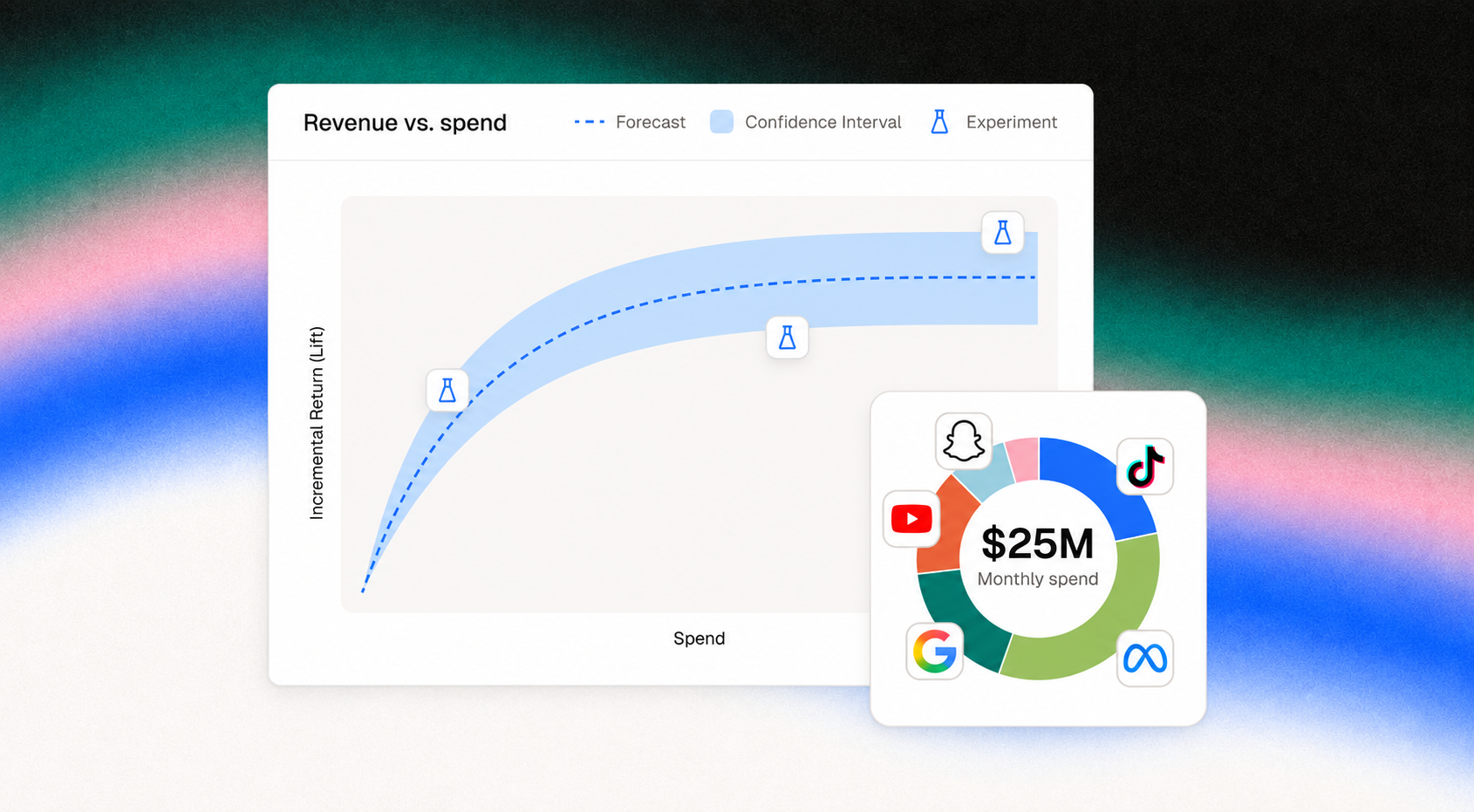
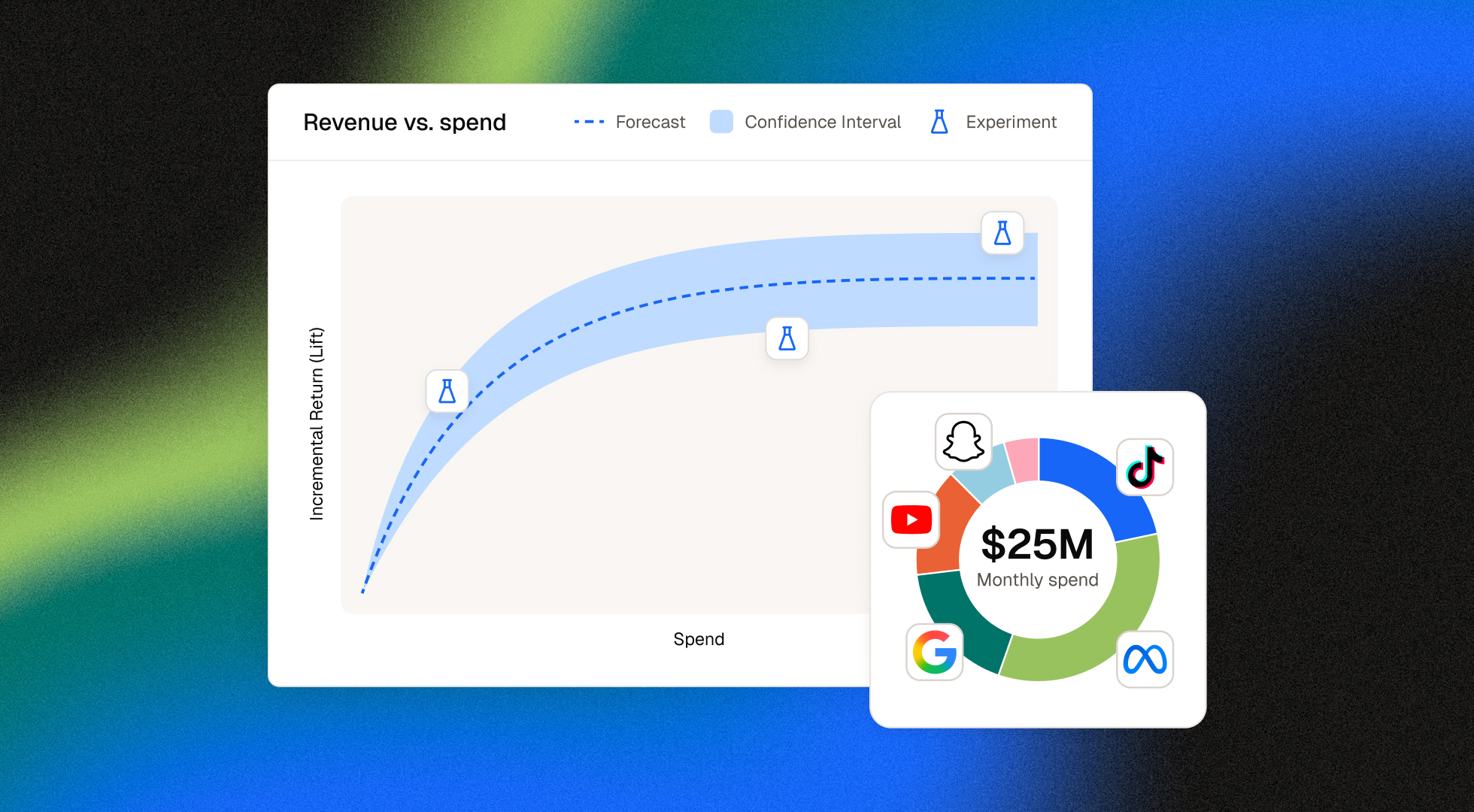
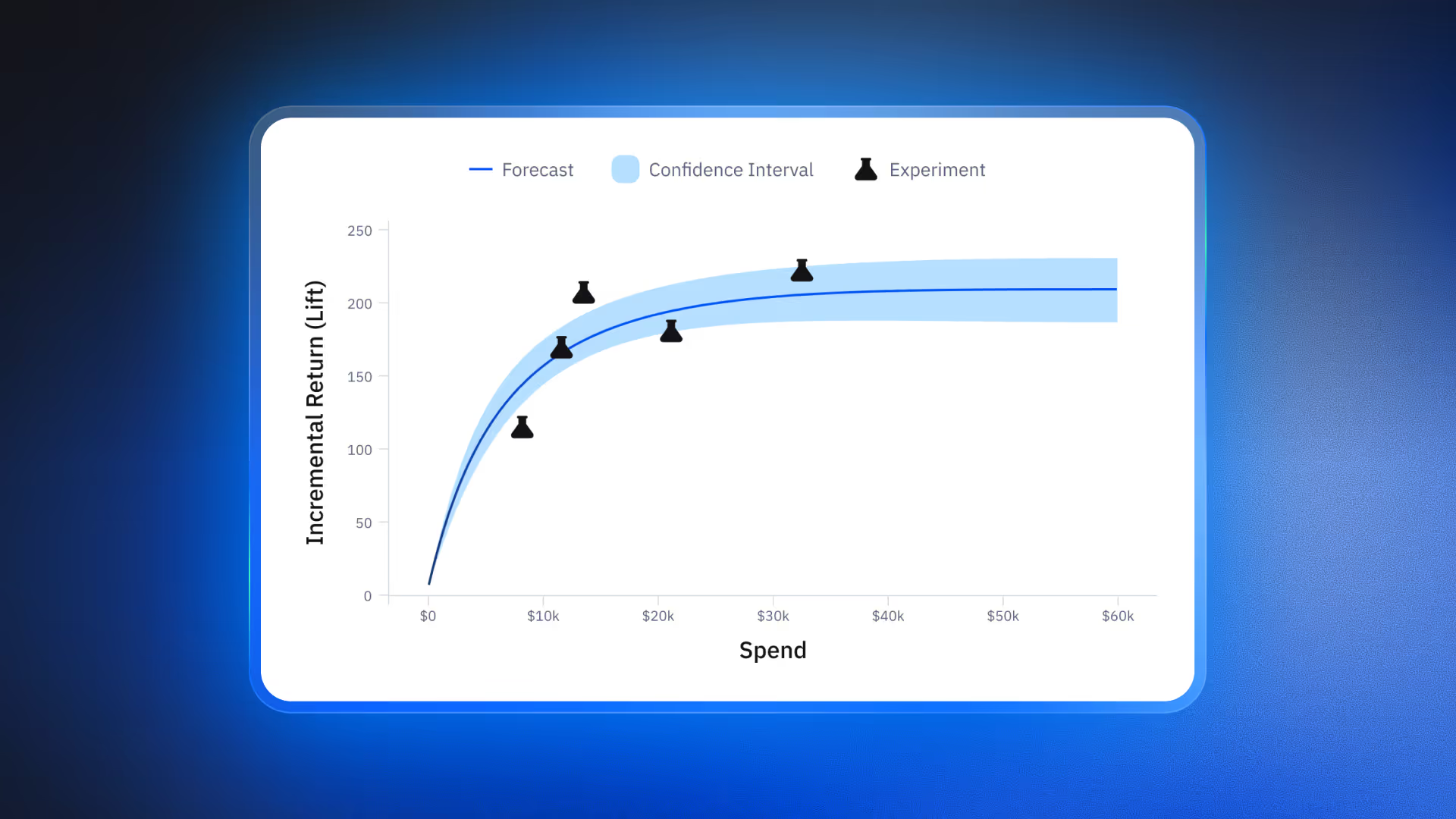
Architect is a causal marketing agent built on top of a wealth of causal data that the world's most sophisticated businesses can rely on. As Professor Brett Gordon recently explained on Open Haus, randomized controlled trials (RCTs) are the most credible estimates of advertising incrementality. Given our database of RCTs, we’re uniquely positioned to scale this gold standard data in a way that hasn’t been done before.
We have the data, and now we can build a repeatable system on top of it. That’s why today we’re adding Architect into Causal MMM.
All those untold hours spent downloading spreadsheets and copying them and then turning knobs and clicking buttons and pulling your hair out? That’s what Architect is good at doing. You’re good at crafting a message that breaks through at a time when it’s never been harder to break through. You’ve just never had the time to actually sit down and craft it. Architect frees you up to do that.
And media isn’t the only way to spend your next dollar. Next, Architect will give you granular recommendations about where to shift spend. You’ll get causal guidance on pricing strategy, promotions, and other decisions that move the business.
Architect is what happens when you stop asking marketers to manage complexity manually and start giving computers the job they’re actually better at doing.
Subscribe to our newsletter
Article tags
Article authors

Greg Dale leads product at Haus, where he has helped shape the company’s vision for causal marketing measurement and optimization, including Causal MMM and Architect. Previously, he created and led the marketing science vertical at Eppo across product and go-to-market, was CEO of Tech for Campaigns, and served as a founding business lead at Myra Labs.



.jpg)
.png)









.avif)
.avif)

.avif)

.avif)

.avif)
.avif)
.avif)


.avif)


.avif)


.avif)
.avif)
.avif)
.avif)
.png)
.png)
.avif)


.avif)
.avif)
.avif)
.avif)
.avif)
.avif)

.avif)

.avif)

.avif)

.avif)
.avif)
.avif)
.avif)
.avif)


.avif)
.avif)
.avif)
.avif)

.avif)
.avif)
.avif)

.avif)

.avif)
.avif)
.avif)
.avif)

.avif)


.png)
.avif)



.avif)
.avif)
.avif)


.avif)
.avif)
.avif)
.avif)
.avif)
.avif)